Apps Created by Black Women You Have to Check Out.


MYAVANALogo-notext

1. Myavana:

Myavana is a hair care recommendation system for women of color. It offers a hair analysis service to recommend the best hair products and styling techniques for unique hair type and texture. This saves women hundreds of dollars and hours of frustration by eliminating the guesswork of choosing what’s best for the hair.

 

icon175x175

2. Bill Organizer – Manage & Track Your Bills:

Co-founded by Nnanna Obuba and Chidi Oparah, Bill Organizer is a multiple-sync device app. It is used for budgets computation and it combines the features of a full bill organizer and an intuitive user interface.

 

icon175x175

3. Black History Milestones:

Co-founded by Nanna Obuba and Chidi Oparah, Black History Milestones is an educational app. It teaches black history by testing the knowledge of black culture.

 

4. Matatu:

Matatu is a two player card game that has origins in Uganda. The goal of the game is to play all your cards before your opponent. First to play all their cards wins. Terry Karungi was the only woman that worked with the app’s building team.
 

640x480xiPhone644-1024x768.png.pagespeed.ic.ePl3COEzTQ

5. Thurst:

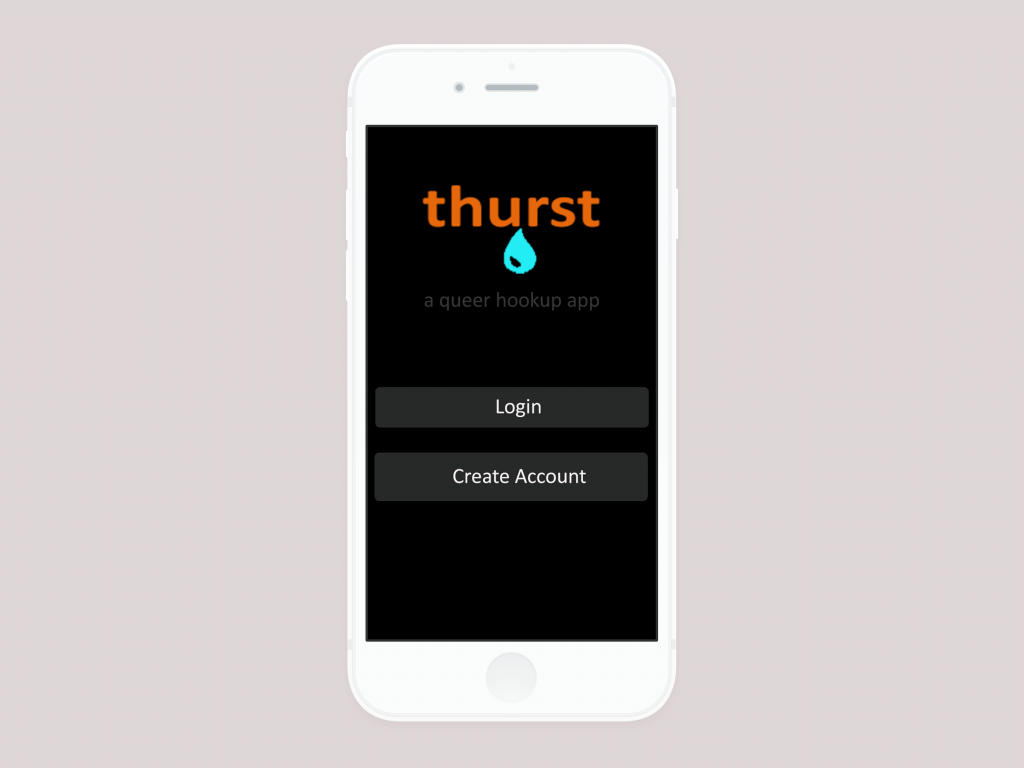
Created by Morgen Bromell, Thurst is an app for queer cis, trans, and non-binary folks who are seeking to connect in person. The app is for the people who are tired of apps made for cis, white men and heteroromantic individuals.



2zssm04

6. Didyoudangle:

Created by  Mari Mergerson, Didyoudangle is the first app that enables Parents to manage their children’s tasks and give out compensations together. It launches in the Fall 2015.


module-two-slide-two

7. Plum Perfect

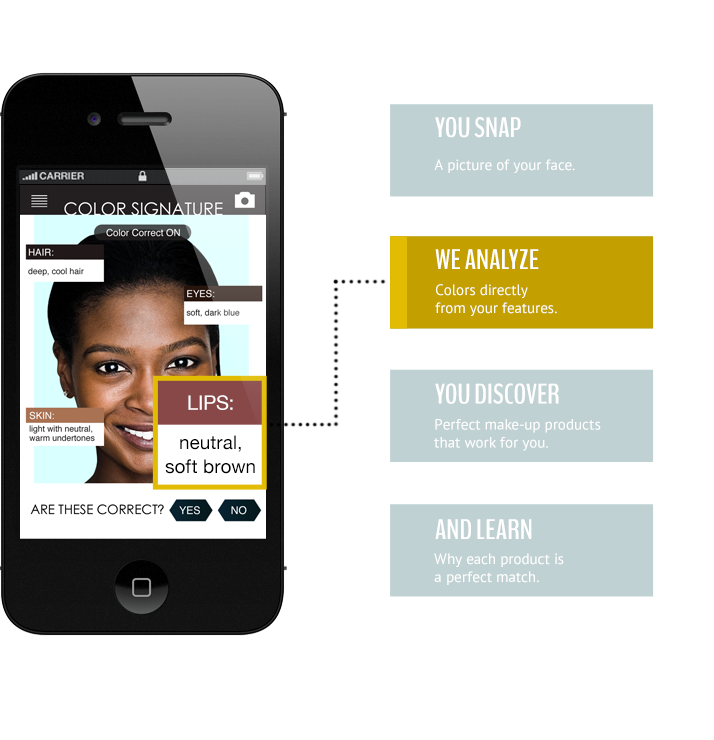
Designed and built by Asmau Ahmed, Plum Perfect is a technology-motivated app that aids people discover best fashion styles and beauty brands for their personal looks.

 

icon175x175 (1)

8. We Read Too

Designed by Kaya Thomas, We Read Too is an educational app. It comprises of books garnered from the works of over over 300 black authors.



TMA_LOGO_SHORT_MD1

9. Tastemakers Africa

TSTMKRS is basically a tourist app and was designed by Cherae Robinson. It is great for discovering the unique cities in Africa and  finding the best restaurants, bars, nightclubs, and spas the city has to offer.


icon175x175.jpeg (175×175)

10. Educate!

Developed by Lyndsey Scott, Educate! is an app that works to develop young leaders and entrepreneurs. Learn about its members and their ambitions through the app.

U.S. Digital Service working to improve technology infrastructure

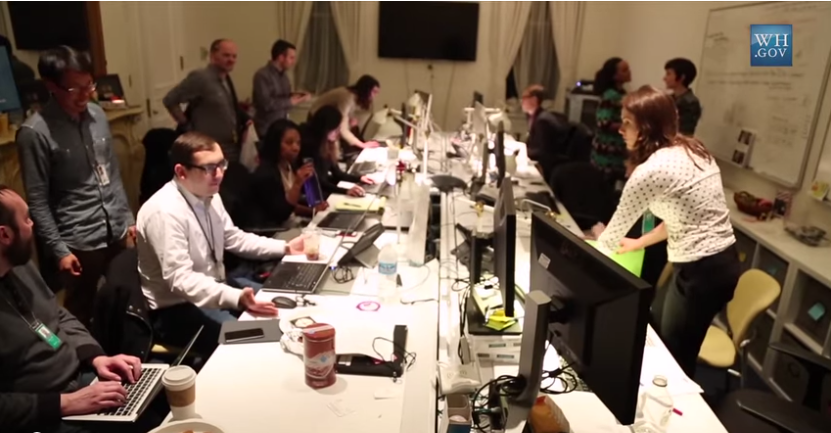
US Digital Service US Digital Service RecruitmentPresident Obama has recruited Silicon Valley talents to build a pipeline of expertise to upgrade and improve digital tools and technology infrastructure for U.S. Government. The goal to build a more user-friendly government and ultimately change attitudes about government performance and increase sense of empowerment among citizens. The U.S. Digital Service and the newly implement technology arm of the General Services Agency 18F are now recruiting others who are interested in government service.

Source: Fast Company

Smith strives to improve diversity at Apple

1501denise_heroDenise Young Smith, as  vice president of Worldwide Human Resources at Apple is tasked with helping the international technology giant implement its plan to increase diversity among its 98,000 employees. The HBCU grad has a degree in communications and a master’s degree in organizational management from Grambling State University in Louisiana.

Rise of African women in technology

Groundbreaking technology by women, for women

By Bo Li
United Nations Africa Renewal

There was a time when technology was a male-dominated field. However, with the advancement of science, technology, engineering and math (STEM) education, ICT infrastructure and availability of capital for start-ups, the past decade has witnessed the rise of a new generation of IT girls and “cyberellas” in Africa.

A growing number of them are reaching the top of the industry as entrepreneurs.

Sub-Saharan Africa has the highest regional female Total Entrepreneurial Activity (TEA) rate in the world, with 27% of its female population engaged in entrepreneurship activities, according to the 2012 Women’s Report by the Global Entrepreneurial Monitor (GEM).

This year, Catherine Mahugu of Kenya, Teresa Mbagaya (Kenyan in Zimbabwe), Clarisse Iribagize (Rwanda), Julie Alexander Fourie (South Africa) and Uche Pedro (Nigeria) were listed among the most promising young African entrepreneurs by Forbes, a US business magazine. Aged between 26 and 30, all of them are founders of businesses specialized in the most cutting-edge technologies, such as e-commerce, mobile applications and cloud storage.

Soko, which means ‘marketplace’ in Swahili, is an online platform connecting international shoppers to handcrafted accessories from the developing world. It is one example of tech companies by women for women. Founded by 27-year-old Catherine Mahugu, it enables talented artisans in emerging economies, who are mostly women, to promote and sell craftworks using basic mobile phones. The mobile-to-web technology gives women direct access to the global marketplace, and helps transform them from manufacturers to entrepreneurs.

Teresa Mbagaya, the head of Econet Education, launched several educational programmes with mobile technology in Zimbabwe, including the EcoSchool project. Through the use of tablets and the EcoSchool app (software programme) designed by Ms. Mbagaya’s company, Econet, students were given on-the-go and affordable access to world-class educational resources.

The EcoSchool app significantly improved the learning experience of girls who lived off campus and could not stay late in libraries. With light-weight portable devices they were able to study after school and pay as little as $5 per month for the studying materials.

Recent years also saw the emergence of “girls’ clubs” for women in science and technology in several African countries. Ethel Cofie, Judith Owigar and other like-minded female tech entrepreneurs created organizations like AkiraChix (Kenya), Tech Needs Girls (Ghana) and Asikana Network (Zambia), where female techies meet up for action-packed workshops, trainings and networking events. These organizations also aim to change perceptions of women and girls pursuing education and careers in STEM subjects, paving the way for more to venture into innovation and technology.

A study by Icteum Consulting, Meraka Institute/CSIR titled “Women in the Information and Communication Technology Sector in South Africa” found that in core IT categories, women were over-represented in technical sales and system analyst positions, while being drastically under-represented in programming, engineering and management.


Report says 12 percent of Africans use phones for non-bank transactions


Twelve percent of all adults in sub-Saharan Africa use their phones for non-bank financial transactions, by far the highest rate of any region in the world, according to a report released Wednesday by the World Bank. These figures come from the World Bank’s Global Financial Inclusion database, known as the Findex.  The mobile revolution there is part of a broader trend of democratization of finance around the globe that’s giving far more people a first step into the financial world. The number of adults worldwide with a bank account grew by 700 million between 2011 and 2014, according to the World Bank, an 11 percentage point rise to 62 percent of all adults.