President Obama has recruited Silicon Valley talents to build a pipeline of expertise to upgrade and improve digital tools and technology infrastructure for U.S. Government. The goal to build a more user-friendly government and ultimately change attitudes about government performance and increase sense of empowerment among citizens. The U.S. Digital Service and the newly implement technology arm of the General Services Agency 18F are now recruiting others who are interested in government service.
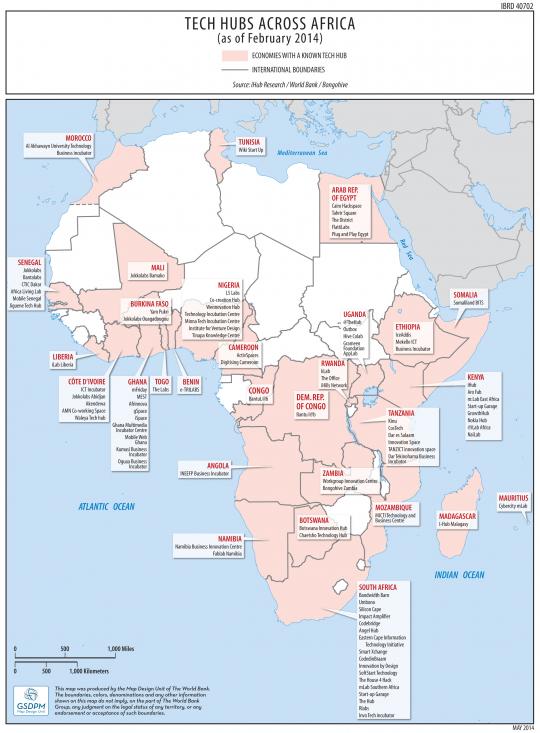
A map shows the proliferating tech hubs in Africa.
Foreign technology giants such as Microsoft, Google and IBM are moving into Africa, a continent they reportedly consider, “the next frontiers” in the technology market. Mo Ibrahim, one of the foremost supporters of technological revolution in Africa, has said, “It’s now easier, technically speaking, to supply a village with Internet access than with clean water.”
Pundits look at innovations in digital technologies as one of the main contributing factor to Africa’s rising economic prospects. Some technology websites and blogs have made lists of the leading African countries in information and communications technology innovation and adoption. The prevailing pattern is that African countries and their innovators are increasingly using information and communications technologies to fuel development, education, free enterprise and innovation.
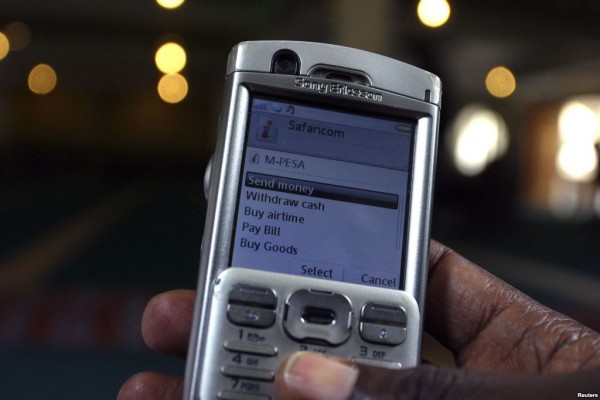
For instance, in Kenya, tech entrepreneurs have an innovation space that is called “Silicon Savannah,” or “iHub” where best ideas converge to produce technological advances. Mpesa (Swahili for mobile money), which “turns mobile phones into a bank account, credit card and wallet in one,” is so significant in Kenya that it has become a platform for a third of Kenya’s economy. Gaming innovation is another area where technology plays huge role in Kenya. People with artistic inclination on the continent are also turning to technology to crate and share their digital arts.

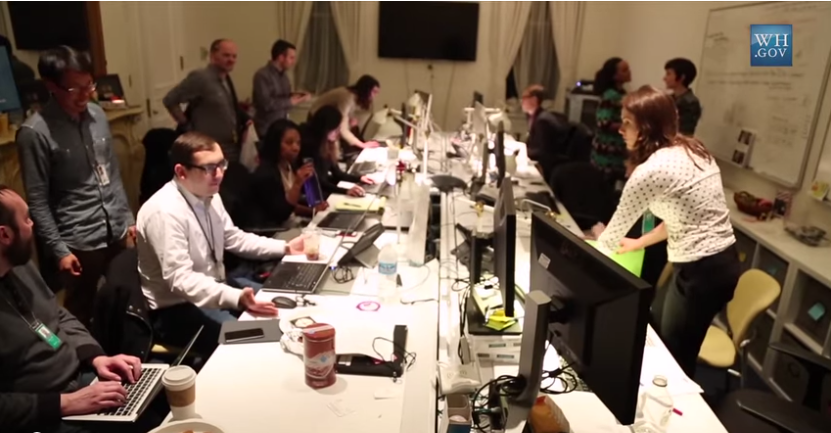

 President Obama has recruited Silicon Valley talents to build a pipeline of expertise to upgrade and improve digital tools and technology infrastructure for U.S. Government. The goal to build a more user-friendly government and ultimately change attitudes about government performance and increase sense of empowerment among citizens. The U.S. Digital Service and the newly implement technology arm of the General Services Agency 18F are now recruiting others who are interested in government service.