
http://www.ozy.com/rising-stars-and-provocateurs/jon-gosier-spreading-the-wealth/39518
African investors, entrepreneurs to address Black Tech Week
Black Tech Week, which takes place February 23-28, has been established in order to provide celebrate black innovators, with the week of events aiming to “change the narrative surrounding our community and replace it with innovation, creativity and technology that stretches the trajectory of our community”.
Speakers will include angel investor Eric Osiakwan, AppAfrica and Apps4Africa founder Jon Gosier, and Chinedu Echeruo, the Nigerian founder of directions app HopStop, which was acquired by Apple for US$1 billion in 2013.
http://disrupt-africa.com/2015/02/african-investors-entrepreneurs-address-black-tech-week-miami
“Our mission is to celebrate innovators of color and accelerate Miami as the US gateway to Africa and the diaspora,” the organisers said.
“With the proliferation of social networks, wearable technology, mobile, technology tools and social connections, our generation holds the keys to change the world and it has never been as accessible as it is today. During this exciting week organisations, community partners, startups and tech companies will be hosting events to highlight tech innovation and diversity across the globe.”
Are African countries the next tech frontier?
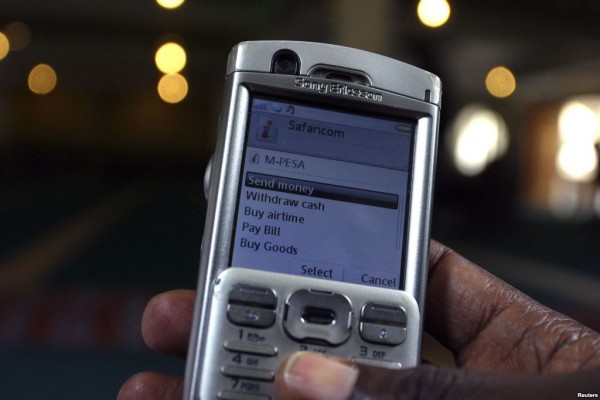
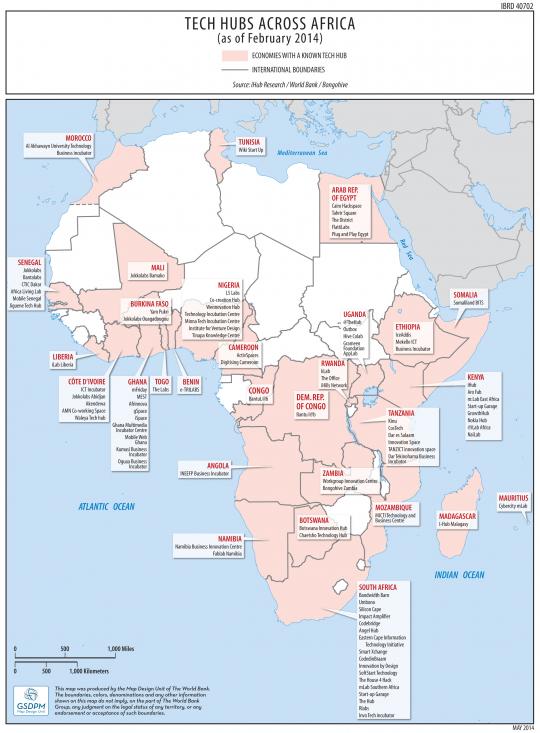
Foreign technology giants such as Microsoft, Google and IBM are moving into Africa, a continent they reportedly consider, “the next frontiers” in the technology market. Mo Ibrahim, one of the foremost supporters of technological revolution in Africa, has said, “It’s now easier, technically speaking, to supply a village with Internet access than with clean water.”
Pundits look at innovations in digital technologies as one of the main contributing factor to Africa’s rising economic prospects. Some technology websites and blogs have made lists of the leading African countries in information and communications technology innovation and adoption. The prevailing pattern is that African countries and their innovators are increasingly using information and communications technologies to fuel development, education, free enterprise and innovation.
For instance, in Kenya, tech entrepreneurs have an innovation space that is called “Silicon Savannah,” or “iHub” where best ideas converge to produce technological advances. Mpesa (Swahili for mobile money), which “turns mobile phones into a bank account, credit card and wallet in one,” is so significant in Kenya that it has become a platform for a third of Kenya’s economy. Gaming innovation is another area where technology plays huge role in Kenya. People with artistic inclination on the continent are also turning to technology to crate and share their digital arts.
Why women are the “secret sauce”
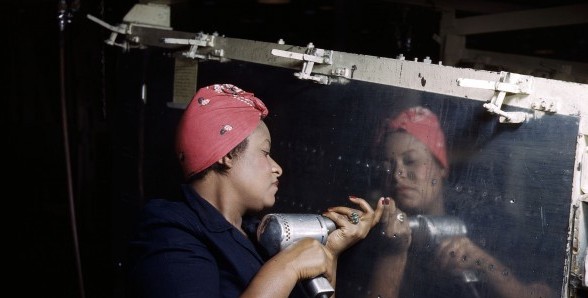
Jack Ma, the founder and executive chairman of the Chinese e-commerce behemoth Alibaba, clearly understands the importance of workplace diversity for technology companies. He describes hiring a large number of women as “the secret sauces” of his company’s success. The reason women are important drivers of technological advances, Jack Ma says, is “Women think about others more than themselves.” He thinks that has a profound impact on Alibaba and the way it delivers services to users. Coming from a Chinese technology billionaire and leader from the East, the experience the Alibaba chief shared with participants of the 2015 World Economic Forum in Davos, Switzerland, is very significant.
Howards hosts Black History Month Edit-a-thon”
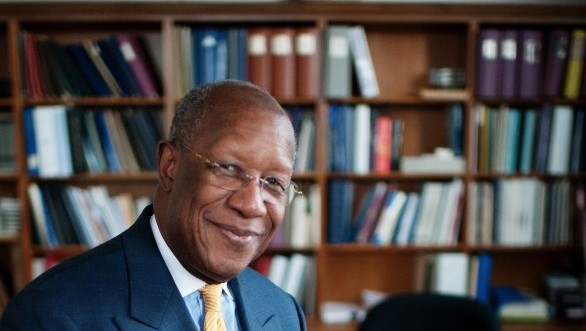
 WASHINGTON –The Moorland-Spingarn Research Center (MSRC), in collaboration with Wikimedia DC, will host a “Black History Month Edit-a-thon” on Thursday, Feb. 19. The event will take place from 10 a.m. to 4 p.m. in the MSRC Reading Room on the 1st floor of Founders Library, 550 Howard Place, NW, Washington, D.C.
During the edit-a-thon, faculty, graduate students, and others will be introduced to the skills needed to improve Wikipedia entries on African American and African Diasporic history and culture. They will also be shown how to create new entries using the MSRC’s unique collection of Africana documents, artifacts, archives and online resources. The day will feature editorial training, independent and group research and writing time, along with a “behind-the-scenes” look at some of the MSRC’s most interesting treasures.
The Rewriting Wikipedia Project has called attention to systemic biases and omissions in the free online encyclopedia’s articles on Black history. MSRC director Howard Dodson claims that the MSRC edit-a-thon, along with a similar event being held earlier in February at New York’s Schomburg Center for Research in Black Culture, will help “both to increase the numbers of Black-related entries in Wikipedia and improve the quality of current entries found there.”
“Howard University is the ideal place to hold an edit-a-thon on this broad and underserved subject area,” Dodson added. “Howard has pioneered in the development of scholarship on the global Black experience, with hundreds of scholars and graduate students focusing on Africana-related themes.”
The list of articles that will be reviewed during the event can be found at https://en.wikipedia.org/wiki/Wikipedia:WikiProject_African_diaspora/to_do. Participants are encouraged to bring any papers or articles that they have written on relevant aspects of the Black experience, as their text, reference lists and/or bibliographies may be helpful in creating new entries or establishing the verifiability of Wikipedia entries.
Members of the University and public communities are invited to participate, but all must register in advance, as space is limited. Participants must bring their own laptops or tablets; Internet access will be available. Coffee and lunch will be provided courtesy of Wikimedia DC.
To register and for more information, visit the MSRC’s website or call 202-806-7237. Follow and “tweet” about the event at #HULibrarySystem.